
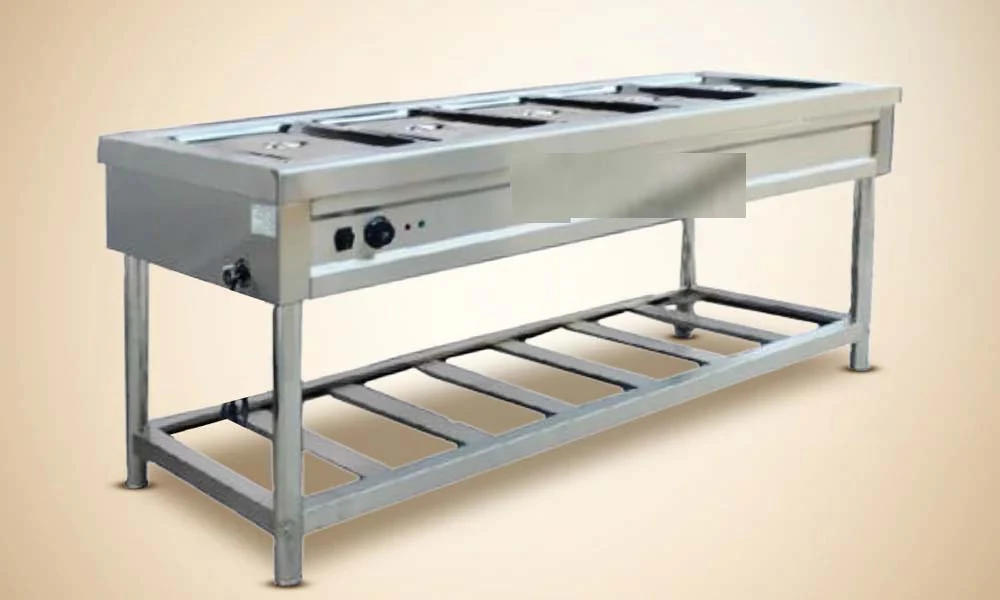
Not every warmer marketed with the word smart actually behaves differently to a standard warming unit once it’s switched on, which makes shopping for a smart warmer more confusing than the marketing suggests. The meaningful difference usually comes down to monitored temperature control and consistency over a full service period, not just an app connection or a digital display. Understanding what that monitoring actually adds is the useful starting point before comparing models on price alone.
Not Every Warmer Marketed as Smart Actually Is
Some products labeled smart simply add a digital temperature readout to an otherwise standard warming unit, without any actual monitoring or automatic adjustment behind it. A genuinely smart warmer actively tracks internal temperature against a target range and adjusts output to maintain it, rather than relying on a fixed heat setting the operator sets and forgets. Asking specifically how the temperature control works, not just whether the word smart appears on the box, clarifies which type is actually being sold.
What Temperature Monitoring Actually Adds
Continuous monitoring catches a gradual temperature drift that a fixed-setting warmer would not flag, which matters considerably for food held at serving temperature over an extended period. Some models log temperature history, which is useful evidence for food safety compliance checks. Reviewing what data a specific model actually records, rather than assuming all smart warmers log the same information, avoids a gap discovered only during an inspection.
Food Safety Standards a Warmer Should Meet
A warmer used for holding food at serving temperature needs to maintain a minimum safe threshold consistently, not just on average, since a temperature dip even briefly can create a food safety risk regardless of the average reading over the day. Checking a model’s documented performance against relevant food safety guidelines, rather than relying on general marketing claims, is worth doing before purchase for any business serving food to the public.
Energy Use Compared to Standard Warming Equipment
A warmer that actively regulates temperature rather than running at a constant fixed output can use less energy over a full operating day, since it reduces power once the target temperature is reached rather than maintaining maximum heat continuously. The actual saving depends on usage patterns and ambient conditions, so a specific energy comparison for the intended use case is more useful than a general efficiency claim. Asking for typical power draw figures helps with that comparison.
Placement and Space Considerations Before Buying
Ventilation clearance, counter space and proximity to a power outlet all affect where a warmer can realistically be placed, and measuring the intended space carefully before ordering avoids a unit that doesn’t actually fit the layout once it arrives. A business comparing a commercial smart warmer against the available counter space should also check door clearance and any nearby equipment that generates heat, since that affects the unit’s own performance.
Matching Capacity to Actual Daily Volume
A warmer sized for peak weekend volume may run mostly empty during quieter weekdays, which affects both energy efficiency and how evenly food actually holds temperature inside a partially filled unit. Sizing the unit against typical daily volume, with some headroom for busier periods rather than the absolute peak, tends to produce a better balance. Reviewing actual sales data before choosing a capacity avoids over or undersized the purchase.
Cleaning and Maintenance Requirements
A warmer used daily in a food business needs to be cleaned thoroughly and regularly, and some models are considerably easier to disassemble and clean than others, which affects how consistently that cleaning actually happens in a busy kitchen. Asking to see the cleaning process during a demonstration, rather than assuming it will be straightforward, reveals whether the design genuinely supports the cleaning frequency the business needs to maintain. A model that disassembles into fewer separate parts is usually faster to clean thoroughly at the end of a busy service period.
Warranty and What It Typically Covers
Warranty terms for warming equipment vary in whether they cover the heating element specifically, general electrical faults, or both, and reading the actual coverage rather than assuming a standard warranty applies avoids an unwelcome surprise if a fault develops. Some warranties are conditional on using approved cleaning products, which is worth confirming before establishing a regular cleaning routine that might otherwise void the cover unintentionally.
Common Mistakes When First Buying a Warmer
A frequent mistake is buying based on price and capacity alone without checking the actual temperature control method, only to discover inconsistent holding temperatures once the unit is in daily use. Another is underestimating cleaning time when comparing models, which affects real operating cost more than the purchase price suggests. Requesting a trial period or a supplier reference from a similar business helps avoid both mistakes before committing to an order.
Making a Purchase That Fits the Business
None of these factors are complicated individually, but checking them together before ordering gives a clearer picture than comparing units on price and capacity alone. A business that takes the time to evaluate a smart food warmer against its actual daily volume and food safety obligations tends to end up with equipment that holds up reliably over years of daily use.